Žanras/genre: symphony poem, 1910 [reconstruction 2015]
Instr.: 2fl-2ob-2clB-2bn-4hnF-3tptB-3tbn-tba-drums-xil-hp-str
Kaunas State Symphony orchestra, cond. Robertas Šervenikas | 2015
SAVŲ UŽDRAUSTAS ČIURLIONIS
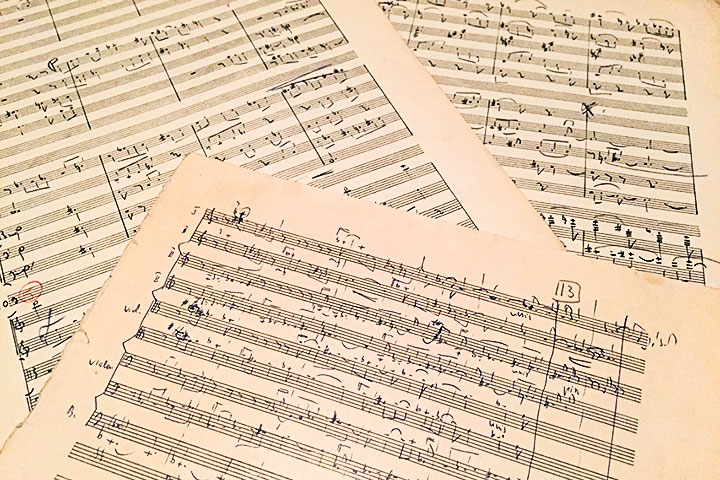
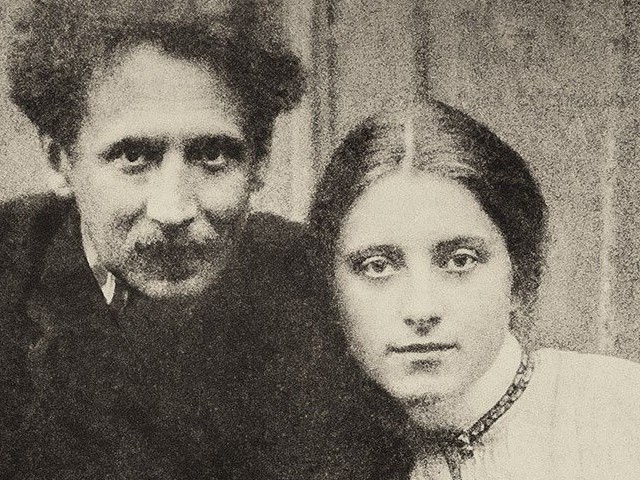
Tikrai taip. Tačiau prieš tęsdami aiškintis, k o d ė l uždraustas, perskaitykite visos istorijos seką, kuri buvo aprašyta 2015 metais savaitraštyje „Nemunas” – rasite čia žemiau pdf formatu. O tuomet jau ir šį komentarą: 2015 metais muzikologas Darius Kučinskas pasiūlė iš eskizinio klavyro rekonstruoti paskutinį M.K.Čiurlionio simfoninį kūrinį – simfoninę poemą „Dies irae“, kurią dedikavo žmonai Sofijai. Darbo pabaigos data ant itin skubant užrašyto 1109 taktų rankraščio – 1910 metų vasario 1 diena. Kibau užsidegęs į darbą, nes niekam nežinomas kūrinys man pasirodė vertas gyvenimo. Kilo aibė problemų, neaiškumų, abejonių, tačiau vedamas kompozitoriaus nuojautos, rankraštyje esamų gairių perkėliau padrikai užrašytą klavyrą į partitūrą ir 2015 metais kūrinys suskambėjo Kauno filharmonijoje. Po kelių repeticijų jį atliko Kauno miesto simfoninis orkestras, dirigavo Robertas Šervenikas. Po premjeros (gal todėl, kad tai vyko provincijoje) iki šiol kūrinio niekas nepakartojo. Esu giliai įsitikinęs, kad tai – testamentinis Čiurlionio opusas, kuriame sueina visa jo muzikinės kūrybos patirtis, meninė filosofija, lenkų ir lietuvių muzikos konfliktas ir dermė. Deja, mano žodžius patvirtinti neįmanoma, nes mėgėjiškas pirmojo atlikimo įrašas visomis prasmėmis yra tik audio dokumentas. Metai bėga, 2025tieji paskelbti MKČ jubiliejiniais, o niekas tuo opusus per ta laiką nesusidomėjo – net jubiliejiniais metais! Neįtikėtina, kai savi savą draudžia. Suprantu, muzikologai tą opusą vertina savaip, aš – kitaip, tačiau visos Čiurlionio kūrybos kontekste tai yra labai reikšmingas opusas. Tai pažymi net ir atsargi gilesnei „Dies irae“ muzikinei analizei „Dies irae“ reikšmes tiriantį traktatą paskyrusi menotyrininkė Nida Gaidauskienė (Kultūrologija 19. Rytai–Vakarai: komparatyvistinės studijos XIII, Vilnius, LKTI, 2014).
Taigi, atlikau paskutinės stambios M.K.Čiurlionio simfoninės poemos „Dies irae“ (1910) rankraščio rekonstrukciją. Pirmą kartą ji suskambėjo Kauno filharmonijoje 2015 11 20 metais. Failuose atsisiuntimui yra platus straipsnis apie šio nepaprastai dramatiško ir įspūdingo kūrinio reinkarnaciją. Man apmaudu, kad trečioji, ir, ko gero, stipriausia M.K.Čiurlionio simfoninė poema buvo atlikta tik vieną kartą. Šį tragišką ir sukrečiantį kūrinį M.K.Čiurlionis metai prieš mirtį dedikavo savo žmonai Sofijai…
ČIURLIONIS BANNED BY HIS OWN PEOPLE
Indeed, yes. However, before continuing to explain why he was banned, read the whole story sequence, which was described in 2015 in the weekly magazine “Nemunas” – you will find it below in pdf format. And then this comment: In 2015, musicologist Darius Kučinskas proposed to reconstruct from a sketch piano the last symphonic work of M.K.Čiurlionis – the symphonic poem “Dies irae”, which he dedicated to his wife Sofija. The completion date of the work on the manuscript of 1109 bars, written in great haste – February 1, 1910. I was enthusiastic about the work, because the unknown work seemed to me worthy of life. There were a lot of problems, uncertainties, doubts, but guided by the composer’s intuition and the guidelines in the manuscript, I transferred the haphazardly written piano score to the score and in 2015 the work was performed at the Kaunas Philharmonic. After several rehearsals, it was performed by the Kaunas City Symphony Orchestra, conducted by Robertas Šervenikas. After the premiere (perhaps because it took place in the province), no one has repeated the work to this day. I am deeply convinced that this is Čiurlionis’ testamentary opus, which combines all of his musical creative experience, artistic philosophy, and the conflict and harmony of Polish and Lithuanian music. Unfortunately, it is impossible to confirm my words, because the amateur recording of the first performance is in every sense only an audio document. Years fly by, 2025 was declared the anniversary year of the Lithuanian Philharmonic, and no one has shown any interest in these opuses during that time – even in the anniversary year! It is incredible when one forbids one’s own. I understand that musicologists evaluate that opus in their own way, I – differently, but in the context of all of Čiurlionis’s work, it is a very significant opus. This is noted even by the cautious art critic Nida Gaidauskienė (2014), who devoted a treatise exploring the meanings of „Dies irae” to a deeper musical analysis of „Dies irae”.
So, I have reconstructed the manuscript of M.K. Čiurlionis’ last major symphonic poem „Dies irae” (1910). It was first performed at the Kaunas Philharmonic on November 20, 2015. The files for download contain an extensive article about the reincarnation of this extremely dramatic and impressive work. I am disappointed that the third, and perhaps the strongest, symphonic poem by M.K. Čiurlionis was performed only once. M.K. Čiurlionis dedicated this tragic and moving work to his wife Sofia a year before his death…
M.K.Čiurlionis – G.Kuprevičius „Dies irae”, 1910-2015, Kaunas State Symphony Orchestra, cond. Robertas Šervenikas, 2015 live
varia