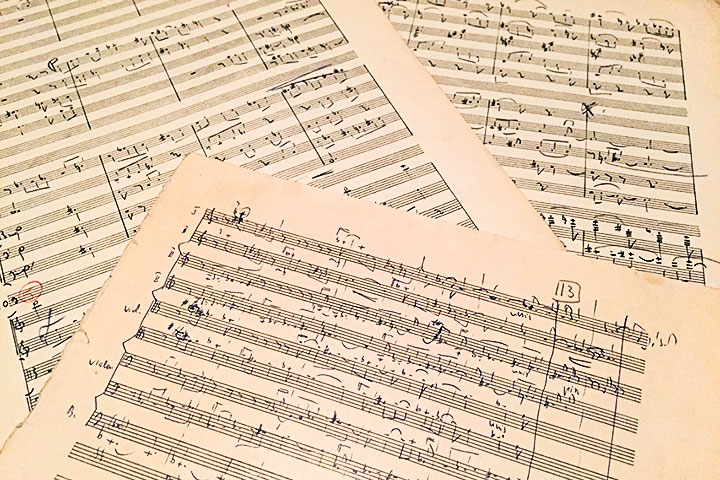
Žanras/genre: instrumental piece
Instr.: carillon; vl-fp; vl-va-fp; fl-va-fp; str.orch; fp; org; mand-fp;
Varia
1973 metais gimęs iš improvizacijos su Kauno Vytauto Didžiojo karo muziejaus bokšte esančiu karilionu vėliau persikėlė į fortepijoną, o nelauktai tapęs itin populiariu – į dar dešimtį visokiausių versijų ir transkripcijų.
„Istorija, kurią papasakosiu, susijusi su Aleksejaus Kosygino vizitu.
Tą ankstų rytą Tėvas ir aš jau gerokai prieš svečio pasirodymą
užlipome į bokštą – mūsų susitikimas su tuometiniu SSRS Ministrų
tarybos pirmininku apačioje nebuvo numatytas. Praėjo valanda,
kita, o svečio vis nėra. Neturėdamas ką veikti durų raktu
skalambijau į ranka pasiekiamus, eilėmis sukabintus varpus. Taip
žaisdamas sudėliojau kažką reiškiantį motyvą.
– Klausyk, Tėve, gera tema improvizacijai.
– Gera, tačiau programoje nenumatyta.
– O kas sugaudys?
– Tuomet bandyk.
Kai nekalbus agentas mums parodė sutartą ženklą, į nedidelio
koncerto programą įterpiau ir iš galvos suskambintą improvizaciją.
Grįžęs namo užrašiau ir pavadinau Preliudu M. K. Čiurlionio
atminimui:
Vėliau ši nedidelė pjesė skambėjo bemaž visuose mūsų koncertuose
ir dažnai klausytojai klausdavo – o kieno ta paskutinė, kurią
atlikote? Dabar Preliudą į savo repertuarus įtraukė ir bičiuliai kitose
valstybėse. Danijoje išleistos natos, o visai neseniai australė
karilionininkė Astrid Bowler visai netikėtu štrichu jį paskambino
mūsų karilionu gastrolių Kaune metu. Ir tai dar ne visa Preliudo
istorija…
1975 metais niekaip nesisekė tinkamai užbaigti vokalinio ciklo
„Mes, argonautai“. Ciklas parašytas remiantis Eduardo Mieželaičio
„Vizijomis pagal M. K. Čiurlionio paveikslus“. Netikėtai blykstelėjo
mintis pritaikyti karilioninio Preliudo melodiją. Poetinės eilutės
sutapo su muzika taip darniai, lyg būtų jai specialiai rašytos.
Kaip tik tuo metu prasidėjo ir mano aktyvi koncertinė veikla, už
kurią turiu dėkoti tuometiniam Filharmonijos meno vadovui kompozitoriui
Rimvydui Žigaičiui. Į talką atėjo puikūs muzikantai –
Giedrius Kuprevičius / 309
smuikininkas Aleksandras Livontas, pianistė Aleksandra Juozapėnaitė,
dainininkai Regina Maciūtė ir Stanislovas Rubinovas –
ko daugiau norėti jaunam autoriui? Pirmasis mūsų koncertas vyko
Varėnoje. Kai išlipome iš autobuso, prie manęs vizgindamas uodegą
pribėgo šuo. Maestro Livontas, turėjęs dar ir nepakartojamą
humoro jausmą, žinodamas, kad buvo parduota labai mažai bilietų,
sako:
– Šunų kompozitorius atvažiavo – publika renkasi.
Aš vos ne į ašaras, nors šunys mus persekiojo ir vėliau, kai koncertai
vykdavo pilnutėlėse salėse. Kartą, rodos, Alytuje, koncertuodami
mokykloje, girdim šunėką amsint. Klausiu, kas čia loja.
Atsistoja maža mergytė, prie krūtinės glausdama mažytį šuniuką,
ir prabyla trūkčiojančiu balseliu:
– Atsiprašau, neturiu kur jį palikti. Jis daugiau tikrai nelos.
Taip ir buvo. O gal kiti kūriniai jam tiesiog labiau patiko?..
Kai priartėdavome prie finalinės vokalinio ciklo dalies su Preliudo
motyvu, Aleksandras Livontas, iki tol įdėmiai klausęs iš užkulisių,
pasišalindavo. Klausiu: kodėl? O jis sako: „Baisi, neįdomi,
nuobodi ir nevykusi muzika tasai tavo finalas.“ Ir taip visuose koncertuose.
Nebeiškenčiau ir tiesiog prispyriau atsakyti – kodėl?
– Ogi todėl, kad ten nėra smuiko. Tuomet išgirstumei, kaip turi
skambėti. Padaryk šio finalo redakciją man.
Tuo ir baigėsi. Keliavome iš vieno miesto į kitą ir staiga, matyt,
taip ir nesulaukdamas tos redakcijos, nutaikęs su draugais progą,
ėmė ir užrakino mane Plungės viešbutyje. Tik spėjau už durų išgirsti:
– Kai parašysi redakciją smuikui, išleisim.
Po valandos po durimis pakišo šokolado plytelę, kad nenumirčiau
badu. O aš jau buvau baigęs. Kai kitame koncerte maestro
grojo Preliudą, seniai bebuvau matęs tokį laimingą veidą.
– Štai dabar galima klausytis. Ir nepakeičiau nė vienos natos! –
pasakė.
Dar kybojo Vilniuje afišos, skelbiančios apie Maestro koncertus,
kuriuose buvo numatyta atlikti ir Preliudą M. K. Čiurlionio
atminimui, o mes jau nuliūdę lipom laiptais į Valstybinės konservatorijos
Didžiąją salę, kur tarp gausybės gėlių ilsėjosi nuoširdus
lietuvių kompozitorių bičiulis ir skatintojas, Davido Oistracho
mokinys Maestro Aleksandras Livontas. Net šiurpas per nugarą
nubėgo, kai ant tų laiptų būdamas išgirdau iš salės skambantį…
Preliudą. Lyg grotų gyvas Aleksandras. Užlipu ir regiu – Maestro
smuiku Preliudą groja Jo mokinys Raimundas Katilius. Ir tonas
toks pat, ir energija, tik skausmingumas kitoks.
Leidėjas Jonas Petronis ir tuo metu jam talkinęs Darius Kučinskas
išleido Preliudo fortepijoninę versiją.
Po daugelio metų iš JAV gavau elektroninį laišką su priedu, kuriame
buvo to Preliudo įrašas. Laiško autorius rašė, kad išgirdo jį
skambant koncerte Vašingtone, grįžo į namus ir pabandė iš atminties
sugroti. Klausia, ar labai suklydo. Keista – klaidų buvo nedaug.
Išsiunčiau jam natas. Vėliau pritaikiau Preliudą styginių kvartetui,
po to kameriniam orkestrui, vargonams, o Stephano Loetzke’s iš
Kopenhagos paprašytas – mandolinai su smuiku ir pagaliau vien
tik mandolinai…”
[Cit. – Giedrius Kuprevičius, „Koncertas“, p.306-308, 2014, Tyto Alba]
Born in 1973 from improvisation with the carillon in the tower of the Kaunas Vytautas the Great War Museum, it later moved to the piano, and when it unexpectedly became extremely popular, it was translated into ten more versions and transcriptions of various kinds.
„The story I will tell is related to Alexei Kosygin’s visit.
That early morning, Father and I climbed the tower long before the guest’s appearance – our meeting with the then Chairman of the USSR Council of Ministers was not scheduled below. An hour passed, another, and the guest was still not there. Having nothing to do, I used the door key to climb the bells that were in a row, within reach. While playing, I composed a motif that meant something.
– Listen, Father, a good theme for improvisation.
– Good, but it’s not in the program.
– And who will catch it?
– Then try.
When the silent agent showed us the agreed sign, I inserted an improvisation that I had called from my head into the program of the small concert.
When I returned home, I wrote it down and called it Prelude in memory of M. K. Čiurlionis:
Later, this small piece was played at almost all of our concerts
and listeners often asked – and whose was the last one you played? Now, friends in other countries have also included the Prelude in their repertoires. Sheet music has been published in Denmark, and very recently, Australian carillonist Astrid Bowler, in a completely unexpected move, played it on our carillon during a tour in Kaunas. And that’s not the whole story of the Prelude…
In 1975, I was unable to properly complete the vocal cycle
„We, the Argonauts”. The cycle was written based on Eduards Mieželaitis
„Visions according to the Paintings of M. K. Čiurlionis”. The idea of adapting the melody of the carillon Prelude suddenly flashed. The poetic lines
coincided with the music so harmoniously, as if they had been specially written for it.
It was at that time that my active concert activity began, for which I have to thank the then artistic director of the Philharmonic, composer Rimvydas Žigaičis. Excellent musicians came to my aid – violinist Giedrius Kuprevičius / 309 Aleksandras Livontas, pianist Aleksandra Juozapėnaitė, singers Regina Maciūtė and Stanislovas Rubinovas – what more could a young composer want? Our first concert was held in Varėna. When we got off the bus, a dog ran up to me, wagging its tail. Maestro Livontas, who also had a unique sense of humor, knowing that very few tickets had been sold, said: “The dog composer has arrived – the audience is gathering.” I almost burst into tears, although the dogs chased us later, when the concerts were held in packed halls. Once, it seems, in Alytus, while performing at a school, we hear a dog barking. I ask who is barking. A little girl stands up, hugging the tiny puppy to her chest, and says in a trembling voice: “I’m sorry, I have nowhere to leave him. He won’t bark again.” And so it was. Or maybe he just liked the other pieces better? When we approached the final part of the vocal cycle with the Prelude motif, Aleksandras Livontas, who had been listening attentively from backstage until then, would move away. I ask: why? And he says: “Terrible, uninteresting, boring and lame music, that’s your finale.” And so it is at all concerts. I didn’t bother to ask and simply insisted on answering: why? Because there is no violin there. Then you would hear how it should sound. Make an edit of this finale for me. That was the end of it. We were traveling from one city to another and suddenly, apparently,
without waiting for that editorial, having set an opportunity with friends,
he took me and locked me in the Plungė hotel. I just managed to hear from behind the door:
– When you write the editorial for the violin, we will let you out.
An hour later, he put a chocolate bar under the door so that I would not die of hunger.
And I had already finished. When the maestro
played the Prelude at the next concert, it was a long time since I had seen such a happy face.
– Now you can listen. And I didn’t change a single note!
he said.
There were still posters in Vilnius announcing the Maestro’s concerts, at which the Prelude in memory of M. K. Čiurlionis was scheduled to be performed, and we, already sad, climbed the stairs to the Great Hall of the State Conservatory, where Maestro Aleksandras Livontas, a sincere friend and encourager of Lithuanian composers and David Oistrakh’s student, was resting among an abundance of flowers. A shiver ran down my spine when, while standing on those stairs, I heard… the Prelude playing from the hall. As if Aleksandras were playing live. I climb up and see – the Maestro’s Prelude is being played on the violin by his student Raimundas Katilius. The tone is the same, and the energy is the same, but the pain is different. Publisher Jonas Petronis and Darius Kučinskas, who assisted him at that time, published a piano version of the Prelude. Many years later, I received an email from the USA with an attachment containing a recording of that Prelude. The author of the letter wrote that he had heard it at a concert in Washington, returned home and tried to play it from memory. He asked if he had made a lot of mistakes. Surprisingly, there were few mistakes. I sent him the sheet music. Later, I adapted the Prelude for string quartet, then for chamber orchestra, organ, and at the request of Stephan Loetzke from Copenhagen, for mandolins with violin, and finally for mandolins alone…”
[Cit. – Giedrius Kuprevičius, „Koncertas“, p.306-308, 2014, Tyto Alba]
Muzika
Prelude M. K. Čiurlionio memoriam accordion
Preliudas M. K. Čiurlionio atminimui Bernardas Vasiliauskas
Natos